Welcome to Little Disciples Early Learning Center Classes
We’re so glad you’re here! Choosing the right early learning environment is one of the most important decisions you’ll make for your child, and we’re honored you’re considering Little Disciples. Our center is built on a foundation of faith, love, and learning, where every child is seen, valued, and nurtured as a beloved child of God.
Whether you’re looking for a safe and gentle space for your infant, a playful and enriching class for your toddler, or a faith-filled learning experience for your preschooler or school-age child, we have a class designed to meet their needs and support their growth. Each of our programs is led by caring, qualified teachers who are passionate about guiding little disciples in their early walk with God and preparing them for lifelong learning. We invite you to explore our classrooms, meet our team, and see how your child can flourish in a Christ-centered community where hearts grow strong and spirits shine bright. Welcome to the family!
🌟 Supporting Every Child’s Unique Needs
At little disciples early learning center, we are committed to providing a nurturing and inclusive environment for all children. To help us better support your child’s learning and development, we encourage families to share any specific needs, diagnoses, or behavioral support plans your child may have, such as ADHD, Down syndrome, or other developmental differences.
This information allows our team to tailor care, instruction, and engagement in a way that honors each child’s individuality while ensuring their success and well-being. All shared information is kept confidential and used solely to enhance your child’s experience with us.
Infants
(0-12 months)
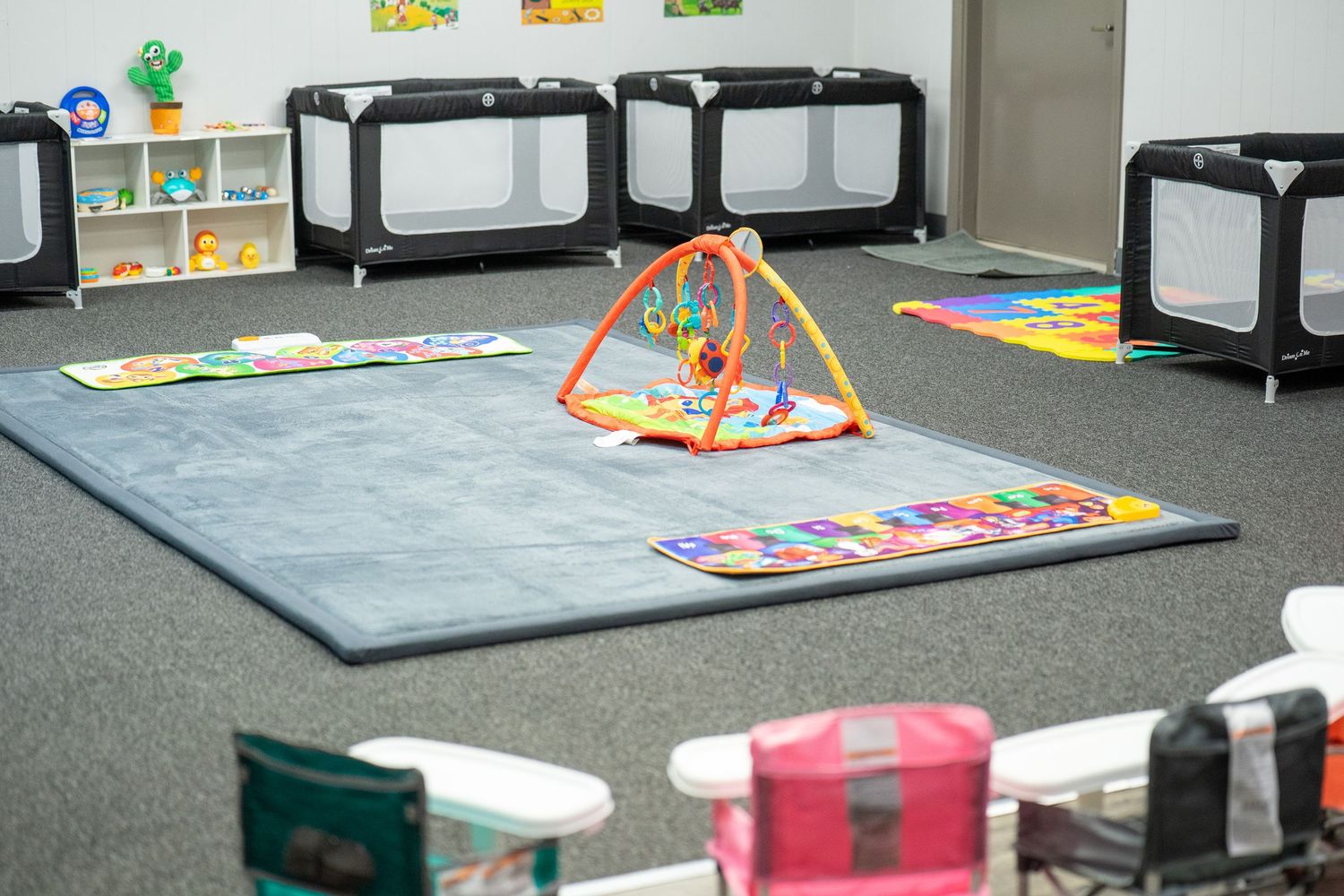
Infants (0–12 months) are in a stage of rapid sensory and physical development. Activities for this age group are centered around bonding, sensory stimulation, and motor skills. Caregivers often engage infants in tummy time to strengthen their neck and core muscles. Soothing music and gentle sounds are used to support auditory development, while simple story times with colorful board books expose them to early language. Sensory play is introduced with soft toys, rattles, and textured objects to help stimulate tactile learning. Sign language basics such as “milk” or “more” may also be introduced. At this stage, individualized attention and bonding are crucial, so cuddle time and responsive care are emphasized throughout the day.
young toddlers
(12–23 months)
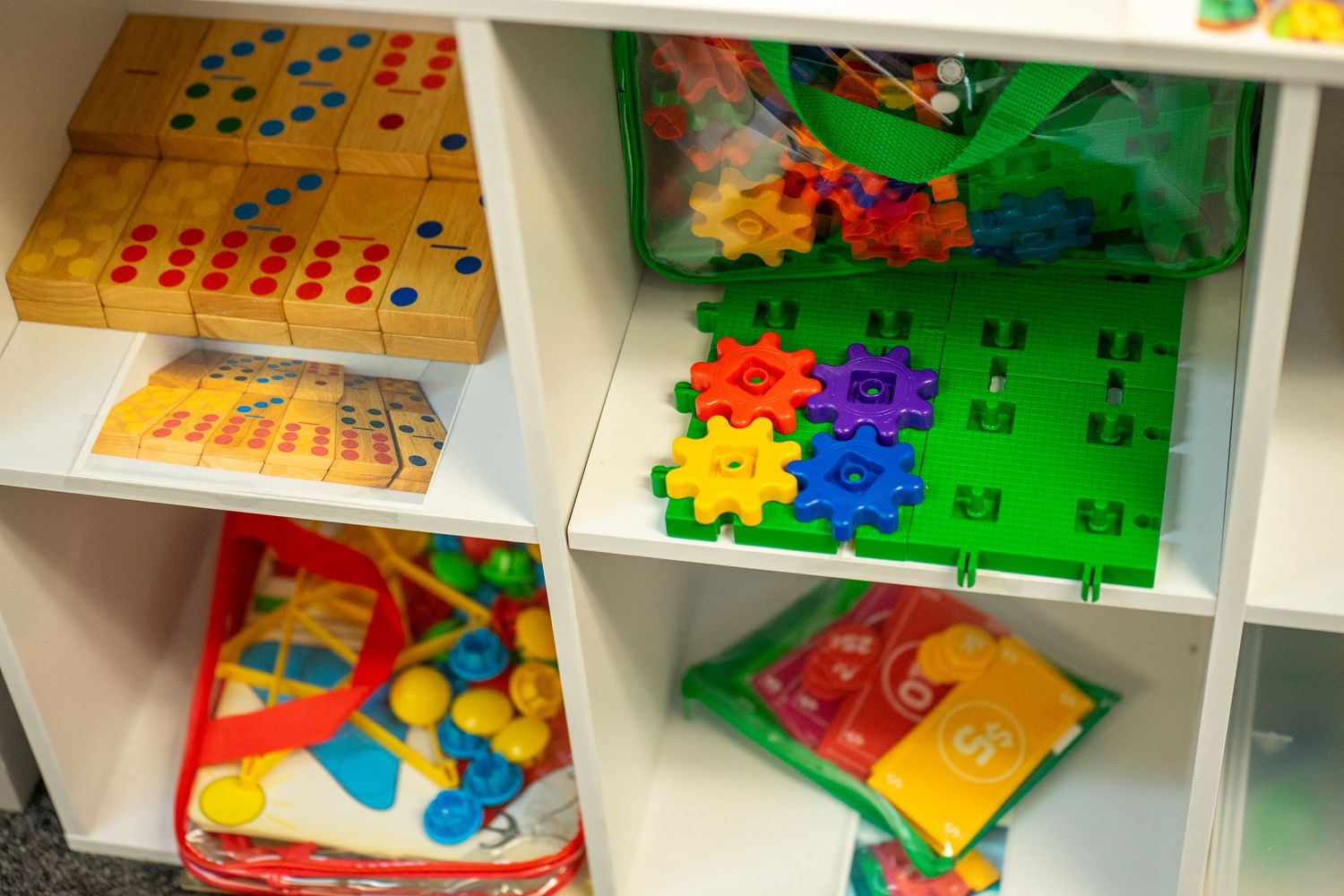
Young toddlers (12–23 months) are becoming more mobile and curious. Their daily routine includes short circle times with hello songs, weather discussions, and basic counting to foster social interaction and early cognitive skills. Music and movement are popular, allowing them to dance and clap to rhythms. Art is introduced through simple activities like finger painting and coloring. Pretend play becomes more engaging with baby dolls, play food, and toy phones. Sensory bins filled with safe materials like water or rice encourage exploration, while story time with interactive books supports language development. They also begin to learn simple routines, such as hand washing and helping with clean-up.
Toddlers
(2–3 years old)
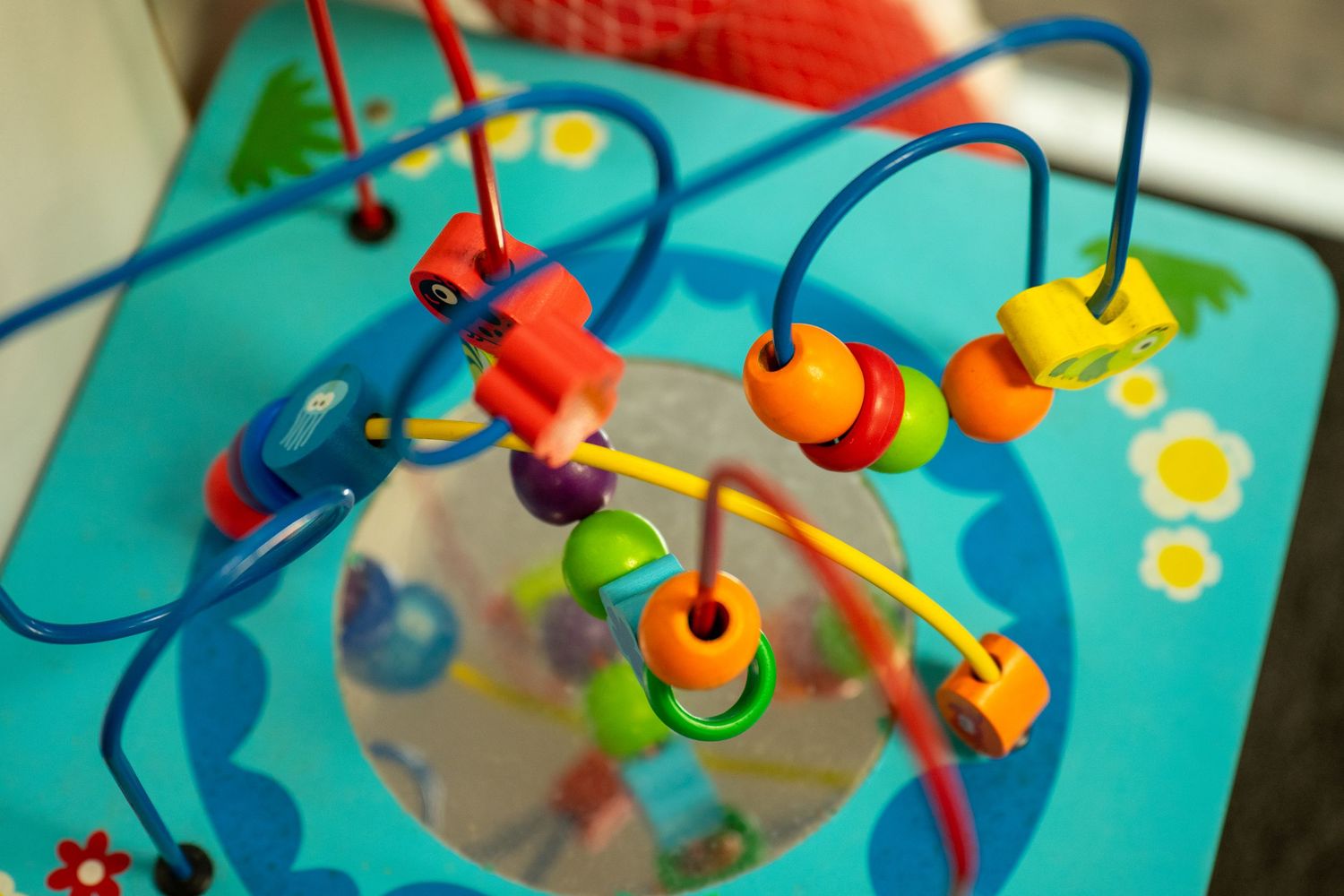
Toddlers (2–3 years old) are developing independence and beginning to express themselves more clearly. Circle time becomes a bit longer and includes name recognition, calendar routines, and discussions about feelings. Activities are focused on teaching basic concepts like colors, shapes, numbers, and letters. They engage in more structured arts and crafts, such as using paintbrushes and glue sticks. Outdoor play is essential at this age, and includes running, climbing, and ball games to support gross motor skills. Dramatic play encourages imagination and social interaction, with dress-up clothes and puppets. Songs with fingerplays are still common, and they may begin to participate in simple STEM activities like stacking or puzzle solving. For some toddlers, this is also the age when potty training support is introduced.
classes
Preschoolers
(3–5 years old)
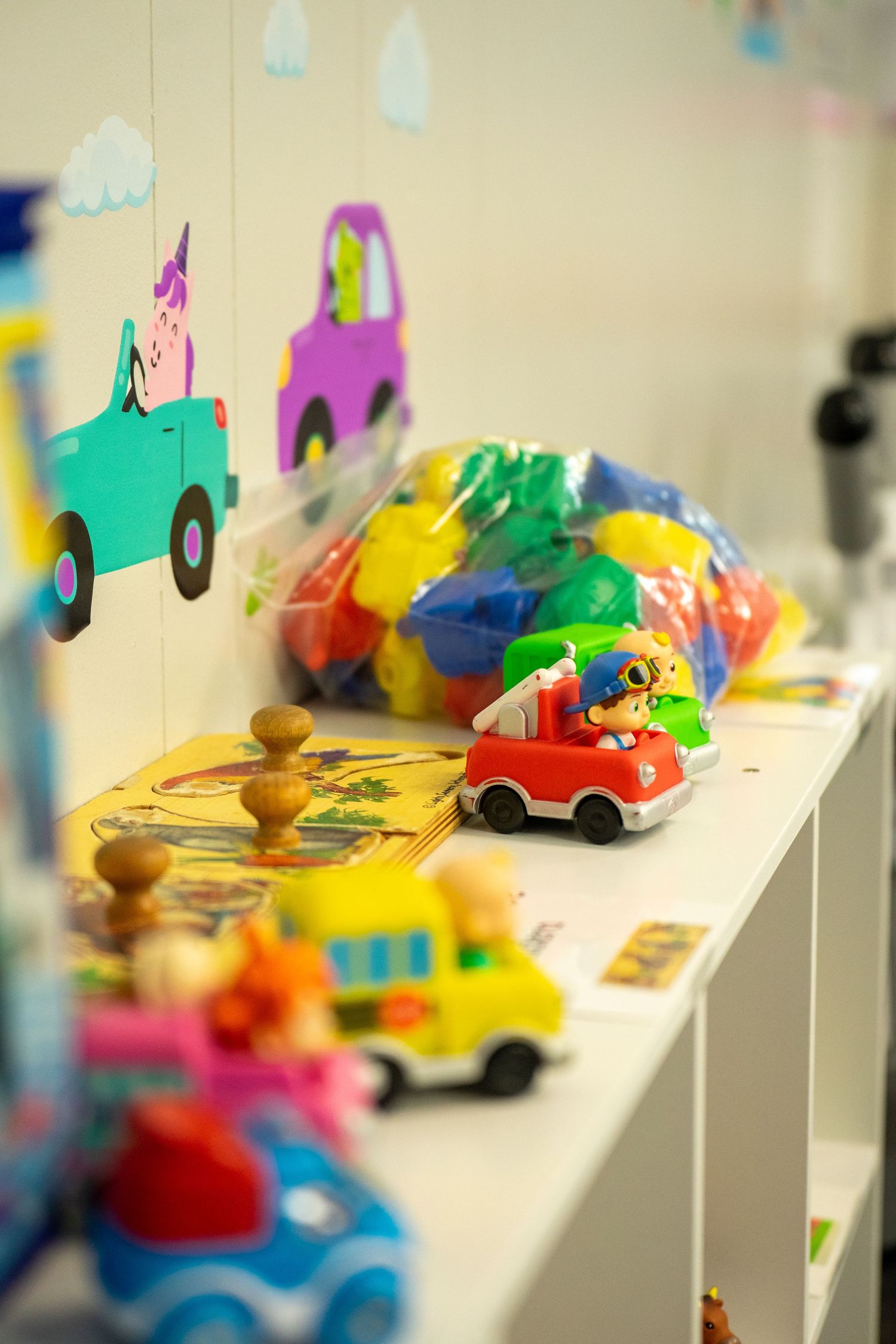
Preschoolers (3–5 years old) are getting ready for kindergarten, so their days are filled with activities that promote academic and social development. Structured circle time includes calendar routines, sharing time, and themed lessons. Phonics and pre-reading skills are introduced through letter recognition and rhyming games. Math becomes more focused with activities like counting objects, recognizing patterns, and sorting shapes. Science exploration is encouraged through nature walks, weather experiments, and hands-on learning. Creative arts are more advanced and may involve cutting, gluing, and multi-step projects. Group play and cooperative games help build social-emotional skills and encourage teamwork. Preschoolers are often introduced to thematic units like dinosaurs, community helpers, or outer space, and they may begin learning about different cultures and holidays. Simple classroom jobs like being the line leader or calendar helper help build responsibility.

After-school children
(6–13 years old)
After-school children (6–13 years old) benefit from a mix of academic support and enrichment activities. Homework time is usually offered, giving students a quiet space and assistance with schoolwork. Engaging STEM projects such as simple science experiments, coding games, and building challenges keep learning exciting. Creative activities continue with painting, jewelry-making, and clay modeling. Outdoor time allows for sports, group games, and free play. Older children may participate in reading clubs, journaling, or small group discussions on topics like gratitude, emotions, or conflict resolution. Life skills such as basic cooking, money management games, or group challenges are also introduced. Some programs allow for supervised technology time using educational apps or digital storytelling tools.
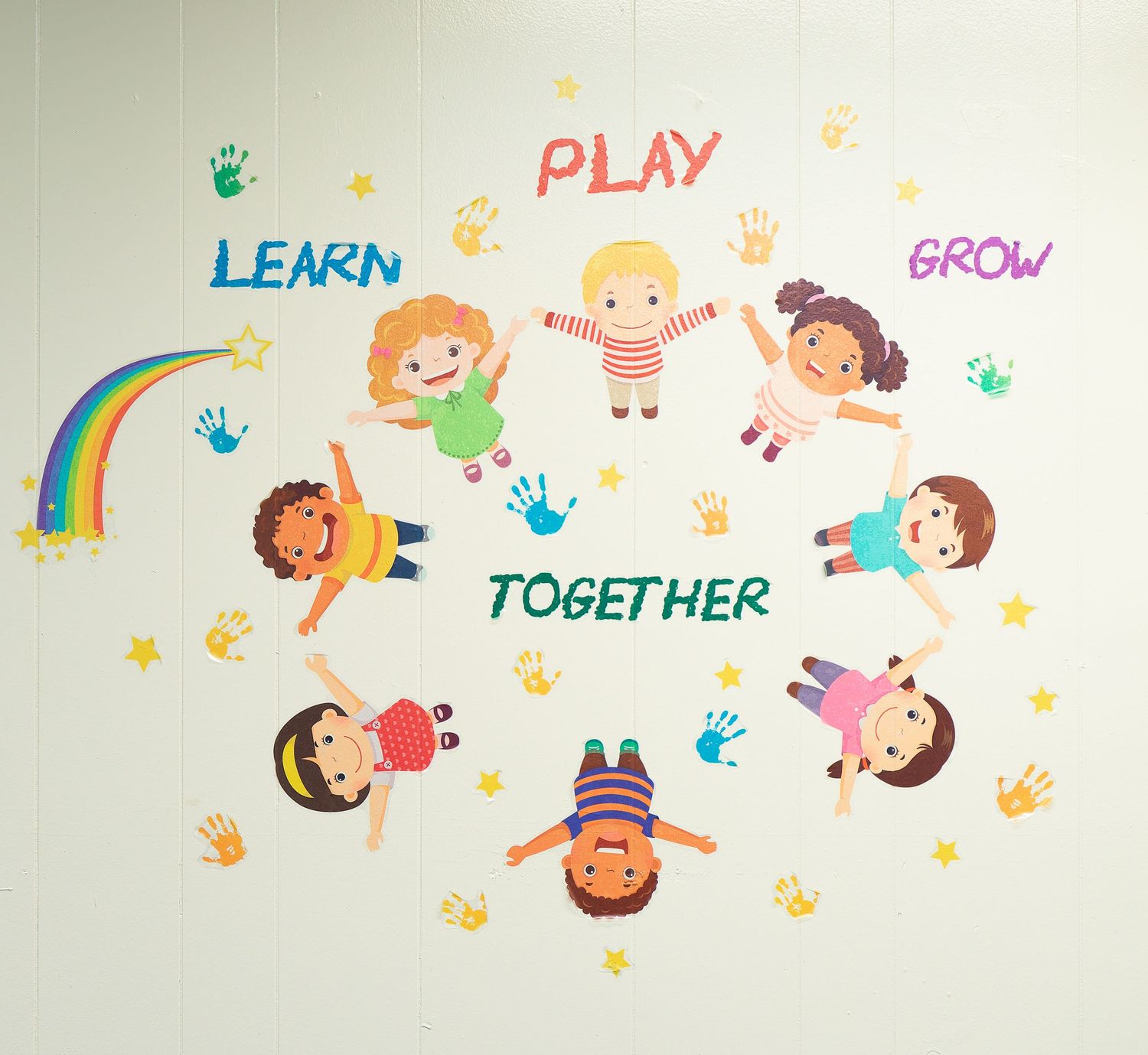
Growing Minds, Loving Hearts, Bright Futures
Rooted in Christ, growing in grace—each child a reflection of His love.
At every age and every stage, our little learners are discovering the world with wide eyes, curious hearts, and joyful spirits. From gentle snuggles in the infant room to exciting science projects with our after-schoolers, each class is thoughtfully designed to nurture growth, spark imagination, and build confidence. Whether they’re clapping along to a song, exploring colors with their fingers, or solving puzzles with new friends, your child is gaining the tools they need to thrive—socially, emotionally, and academically. We believe every moment is a chance to learn, and every child is a masterpiece in progress.
Together, we’re planting the seeds of a lifelong love for learning—one smile, one story, and one small step at a time.